How to Prevent Mold in Your Laundry Room in Peachtree Corners
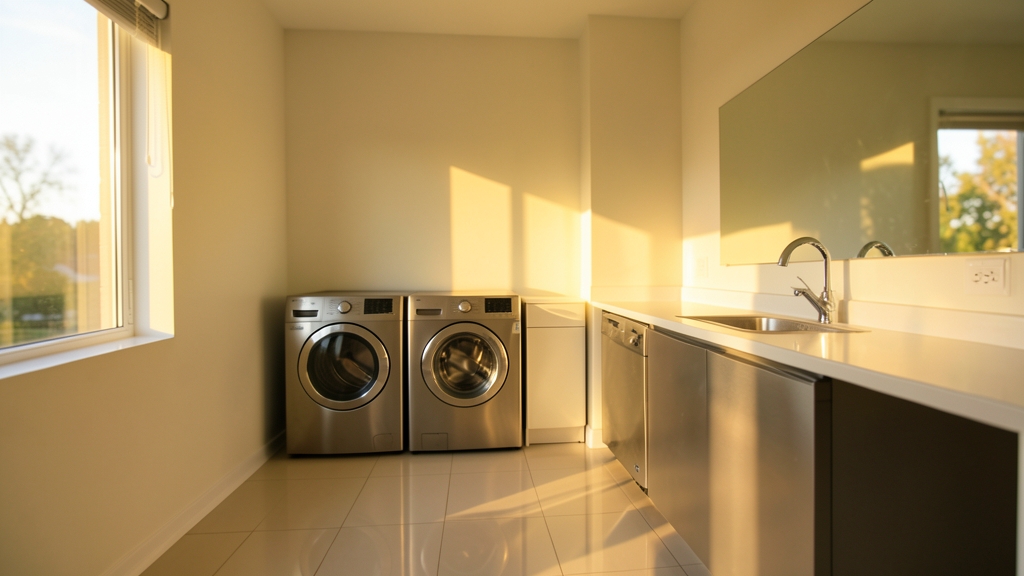
Laundry rooms are prime breeding grounds for mold. The combination of moisture, poor ventilation, and organic materials creates the perfect environment for spores to thrive. We’ve seen it firsthand in homes across Peachtree Corners, Norcross, and Berkeley Lake—especially during Georgia’s humid summers and damp falls.
Why Laundry Rooms Are Mold Magnets
Washing machines release gallons of water, and dryers expel warm, moist air. Without proper ventilation, that humidity lingers, settling on walls, ceilings, and even behind appliances.
Leaks from hoses, connections, or drainage systems often go unnoticed until mold colonies appear. Even small, consistent drips can saturate drywall or subflooring over time.
Organic materials like lint, detergent residue, and fabric fibers provide ample food for mold. In Peachtree Corners’ climate, these conditions accelerate growth if left unchecked.
Signs Your Laundry Room Has a Mold Problem
Musty odors are the most common red flag. If your laundry room smells stale even after cleaning, mold may already be present.
Visible spots—black, green, white, or gray—on walls, ceilings, or behind the washer/dryer indicate active growth. Don’t assume surface mold is the only issue; it often signals a deeper infestation.
Peeling paint, warped baseboards, or discolored grout are secondary signs of excess moisture. These often appear before mold becomes visible.
Mold can spread within 24–48 hours of water exposure. If you suspect a problem, schedule a professional mold inspection immediately.
Top Causes of Laundry Room Mold in Peachtree Corners
Poor ventilation tops the list. Many homes in older neighborhoods like Norcross or Duluth lack dedicated exhaust systems for laundry areas.
Standing water from clogged drains or improperly sloped flooring is another culprit. Even a slow-draining utility sink can create persistent moisture.
High humidity levels—common in Georgia summers—exacerbate the issue. Without a dehumidifier or air circulation, moisture has nowhere to go.
Ventilation Solutions: What Works Best
Exhaust fans rated for high-moisture areas are essential. Look for models with at least 100 CFM (cubic feet per minute) for laundry rooms under 100 sq. ft.
Ductwork must vent outdoors, not into attics or crawl spaces. Improper venting can shift mold problems to other areas of your home, like attics in Johns Creek or basements in Berkeley Lake.
For homes without existing ventilation, consider installing a dedicated system. Our team often retrofits these during mold remediation projects to prevent recurrence.
| Solution | Effectiveness | Cost Factors | Best For |
|---|---|---|---|
| Exhaust Fan (100+ CFM) | High | Fan quality, duct length, installation complexity | Most homes |
| Ductless Heat Pump Dryer | Medium | Unit price, energy efficiency | Small spaces, no venting |
| Dehumidifier + Fan Combo | Medium-High | Dehumidifier capacity, energy use | High-humidity climates |
| Passive Vents | Low | Minimal | Supplementary only |
Moisture Control Strategies
Use a hygrometer to monitor humidity levels. Keep them below 50% to inhibit mold growth. In Peachtree Corners, this often requires a dehumidifier during humid months.
Wipe down the washing machine’s drum and door seal after each use. Residual water in front-loaders is a common mold trigger.
Inspect hoses and connections monthly for leaks. Replace rubber hoses every 3–5 years, as they degrade over time.
Daily Moisture Control Habits
- Leave the washing machine door open between uses
- Run the exhaust fan for 20–30 minutes after laundry
- Empty and dry the lint trap after every dryer cycle
- Wipe up spills or standing water immediately
Laundry Room Design Fixes to Prevent Mold
Waterproof flooring, such as vinyl or tile, resists moisture absorption. Avoid carpet or wood in laundry areas—common mistakes we see in older homes.
Seal gaps around pipes and appliances with mold-resistant caulk. This prevents water from seeping into walls or subfloors.
Elevate appliances on platforms if your laundry room is in a basement or crawl space. This reduces contact with potential groundwater moisture, a frequent issue in Duluth and Johns Creek.
Consider a moisture barrier under flooring if your laundry room is above a crawl space. This adds a layer of protection against rising damp.
When to Call a Professional
If you see mold covering more than 10 square feet, DIY solutions aren’t enough. Professional mold remediation ensures thorough removal and prevents recurrence.
Hidden mold—behind drywall, under flooring, or in ductwork—requires specialized equipment like thermal imaging or borescopes to detect.
After water damage, even if it seems dry, mold can develop within days. Our team often handles laundry room mold as part of broader water damage restoration in Peachtree Corners.
Long-Term Prevention for Peachtree Corners Homes
Schedule annual mold inspections, especially if your home has a history of moisture issues. Air quality testing can detect spores before they become visible problems.
Maintain your HVAC system. Proper airflow reduces humidity levels throughout the home, including the laundry room.
Educate your household on mold prevention habits. Simple steps, like not overloading the washer, can make a big difference over time.
How to Clean Visible Mold in Your Laundry Room
For small, surface-level mold, you can tackle it yourself with proper precautions.
- 1Safety First
Wear an N95 respirator, gloves, and goggles. Open windows or use a fan to ventilate the area. Never mix bleach with ammonia or vinegar.
- 2Contain the Area
Seal off the laundry room with plastic sheeting to prevent spores from spreading to other parts of the home.
- 3Scrub with Mold-Specific Cleaner
Use a HEPA vacuum to remove loose spores, then scrub surfaces with a detergent solution or a commercial mold remover. Bleach is less effective on porous materials like drywall.
- 4Dry Thoroughly
Use fans or a dehumidifier to dry the area completely. Moisture left behind will allow mold to return.
- 5Monitor for Recurrence
Check the area daily for signs of returning mold. If it comes back, there’s likely a hidden moisture source requiring professional attention.
Frequently Asked Questions
Can I use bleach to kill laundry room mold?
Bleach kills surface mold on non-porous materials like tile or glass, but it doesn’t penetrate porous surfaces like drywall or grout. For those, use a mold-specific cleaner or call a professional. Bleach also doesn’t address the root cause: moisture.
Why does my front-loading washer smell like mold?
Front-loaders trap water in the door seal and detergent drawer. Over time, this creates a damp environment perfect for mold and mildew. Clean the seal and drawer weekly, and leave the door open between uses.
How often should I inspect my laundry room for mold in Peachtree Corners?
Inspect visible areas monthly, especially during humid seasons. For a deeper check, schedule a professional mold inspection annually, or after any water-related incidents like leaks or flooding.
Does a dehumidifier really help prevent mold in laundry rooms?
Yes, but it’s not a standalone solution. A dehumidifier lowers ambient moisture, but you still need proper ventilation, leak prevention, and regular cleaning. In Peachtree Corners’ climate, we recommend both.
What’s the difference between mold remediation and mold removal?
Mold removal refers to eliminating visible mold, while remediation addresses the root cause—moisture—and ensures spores don’t return. Remediation includes containment, cleaning, and preventive measures like ventilation upgrades.
Can mold in my laundry room affect other parts of my home?
Absolutely. Mold spores travel through the air and HVAC systems. If your laundry room has poor ventilation, spores can spread to attics, basements, or living areas, leading to wider infestations in Johns Creek, Norcross, or Duluth homes.