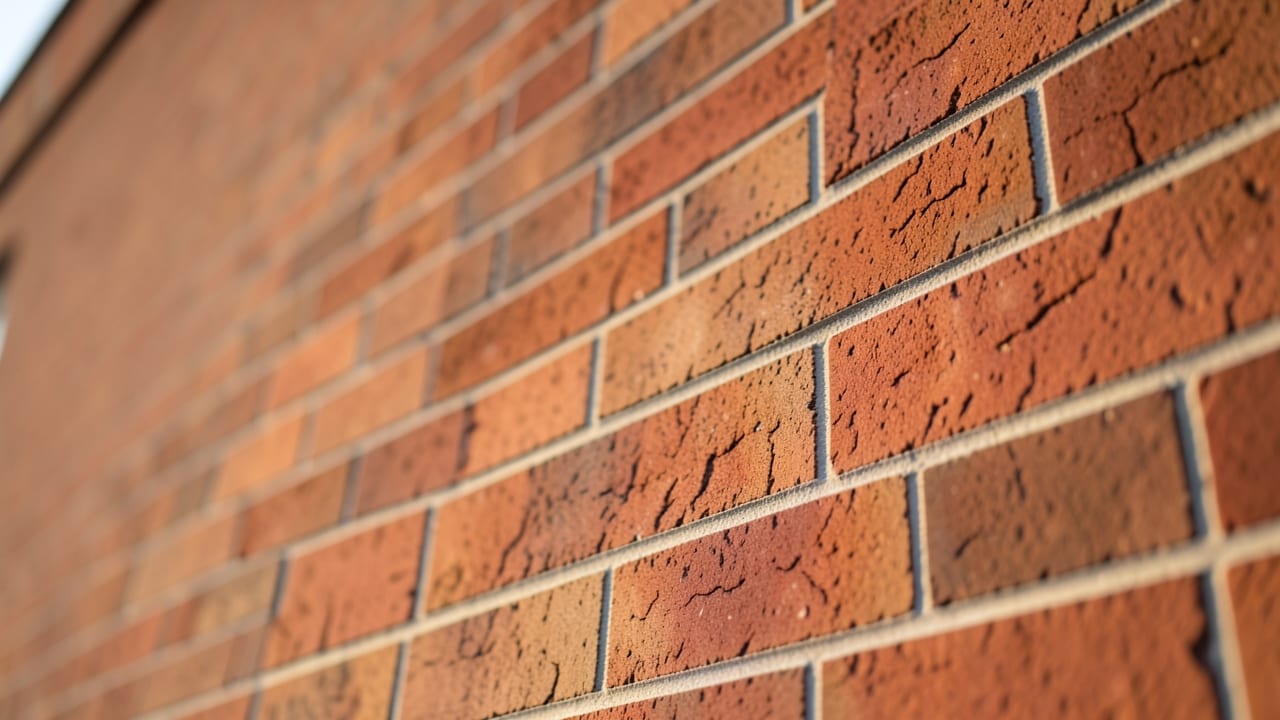
Brick Masonry Mold Treatment
Professional mold treatment and removal from brick masonry to restore structural integrity and indoor air quality.
Brick masonry mold treatment in Peachtree Corners, GA, addresses mold growth on brick surfaces caused by moisture exposure or poor ventilation. Left untreated, mold can damage brickwork’s appearance and structural integrity. Professional remediation follows strict containment, removal, and drying protocols to prevent regrowth and ensure safety for your home.
When to address brick mold
Mold on brickwork often starts small but can spread quickly if moisture sources persist. In Peachtree Corners’ humid climate, hidden mold in brick walls or foundations may go unnoticed until it becomes widespread. Visible signs include discoloration, musty odors, or recurring mold after cleaning attempts.
We also handle Fire Smoke Mold Remediation and Salt Air Mold Remediation for Peachtree Corners properties.
Brick mold treatment becomes necessary when growth covers more than a small patch (typically over 25 square feet), returns after cleaning, or emits a strong odor—especially when HVAC systems circulate it. These signs indicate deeper moisture issues requiring professional intervention.
Signs Brick Mold Needs Professional Treatment
- Mold covers more than a small, isolated patch (over 25 sq ft).
- Growth returns within weeks after cleaning.
- A musty smell persists even after visible mold is removed.
- Mold appears in multiple rooms or near HVAC vents.
What affects cost and scope
The cost of brick masonry mold treatment in Peachtree Corners varies based on the size of the affected area, the severity of mold growth, and whether hidden moisture sources need addressing. Brick surfaces require specialized cleaning methods compared to drywall or wood, which can influence pricing.
Additional factors like structural drying, containment setup, and post-remediation testing may also impact the total cost. Always confirm whether quotes include inspection, containment, and clearance testing to avoid unexpected expenses.
Why containment and testing matter
Containment during brick mold treatment prevents spores from spreading to unaffected areas of your home. Plastic sheeting and negative-air machines seal the work zone, while HEPA-filtered equipment captures spores instead of recirculating them. Skipping these steps risks contaminating other rooms.
Post-remediation clearance testing confirms mold levels are safe before containment is removed. Independent testing ensures the work meets industry standards and reduces the chance of regrowth. Without testing, hidden mold may persist undetected.
Breaching containment or using non-HEPA equipment can spread spores to clean areas, turning a small job into a larger one. Remediation without fixing moisture sources often leads to mold returning within months.
How brick masonry mold treatment works
- 1Containment Setup
Plastic sheeting and negative-air machines isolate the work area to prevent spores from spreading to other parts of your home. This step is critical for safety and effectiveness.
- 2Mold Removal
Porous materials like brickwork with deep mold growth are cleaned or treated, while non-porous surfaces are scrubbed. HEPA vacuums and air scrubbers capture spores during removal.
- 3Structural Drying
Industrial dehumidifiers and air movers dry affected areas to prevent moisture from lingering, which could fuel regrowth. Proper drying is essential for long-term results.
- 4Clearance Testing
An independent lab tests air or surfaces post-remediation to confirm mold levels are back to normal. This step verifies the treatment was thorough and safe.
Frequently asked questions
Can I clean small mold patches on brickwork myself?
Small, isolated patches (under 25 sq ft) can often be cleaned with vinegar or a commercial mold remover, but only if the moisture source is addressed. If mold keeps returning or covers larger areas, professional treatment is recommended to prevent deeper damage.
How long does brick mold remediation take?
The timeline depends on the size of the affected area and whether hidden moisture or structural issues need fixing. Containment, removal, and drying can take anywhere from a few days to over a week for larger jobs.
Will my insurance cover brick mold treatment?
Some homeowners’ insurance policies cover mold remediation if the cause is sudden and accidental (like a leak). However, gradual moisture issues or poor maintenance are typically not covered. Check your policy or consult your insurer directly.
How do I prevent mold from returning after treatment?
Fixing the moisture source—such as leaks, poor ventilation, or grading issues—is the best prevention. Using dehumidifiers in damp areas and ensuring proper airflow can also help keep mold from regrowing.
Where Peachtree Corners sits, and what the Census lists nearby
Peachtree Corners sits in Georgia, and the closest places listed in the U.S. Census Gazetteer are Norcross (2.6 miles southeast), Berkeley Lake (2.9 miles east), Doraville (4.6 miles southwest), Johns Creek (4.8 miles north).
Within 25 miles of Peachtree Corners the same source lists 60 distinct incorporated places and census-designated places.
Those figures matter for brick masonry mold treatment because they are straight-line distances between Census coordinate points: road mileage between Peachtree Corners and Norcross runs longer than the 2.6 miles shown, which is why quotes for the same job differ between towns that look close together on a map.
Source: U.S. Census Bureau Gazetteer.
See Druid Hills, GA for more, or discover our full Peachtree Corners-area coverage by category for our complete lineup.
Ready to get started?
Talk to a local mold remediation pro in Peachtree Corners — get a written quote.
Other Mold Remediation Services in Peachtree Corners
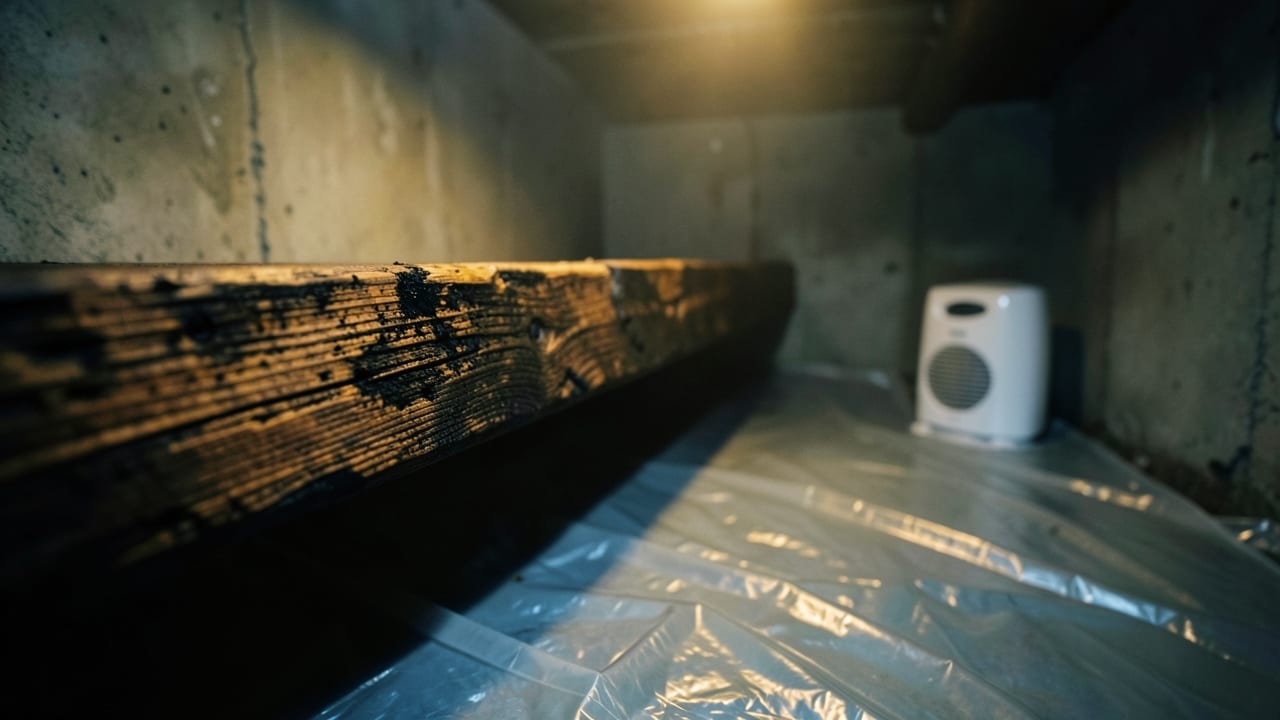
Fire Smoke Mold Remediation in Peachtree Corners, GA
Professional cleanup and restoration of fire, smoke, and mold damage in homes.
Learn More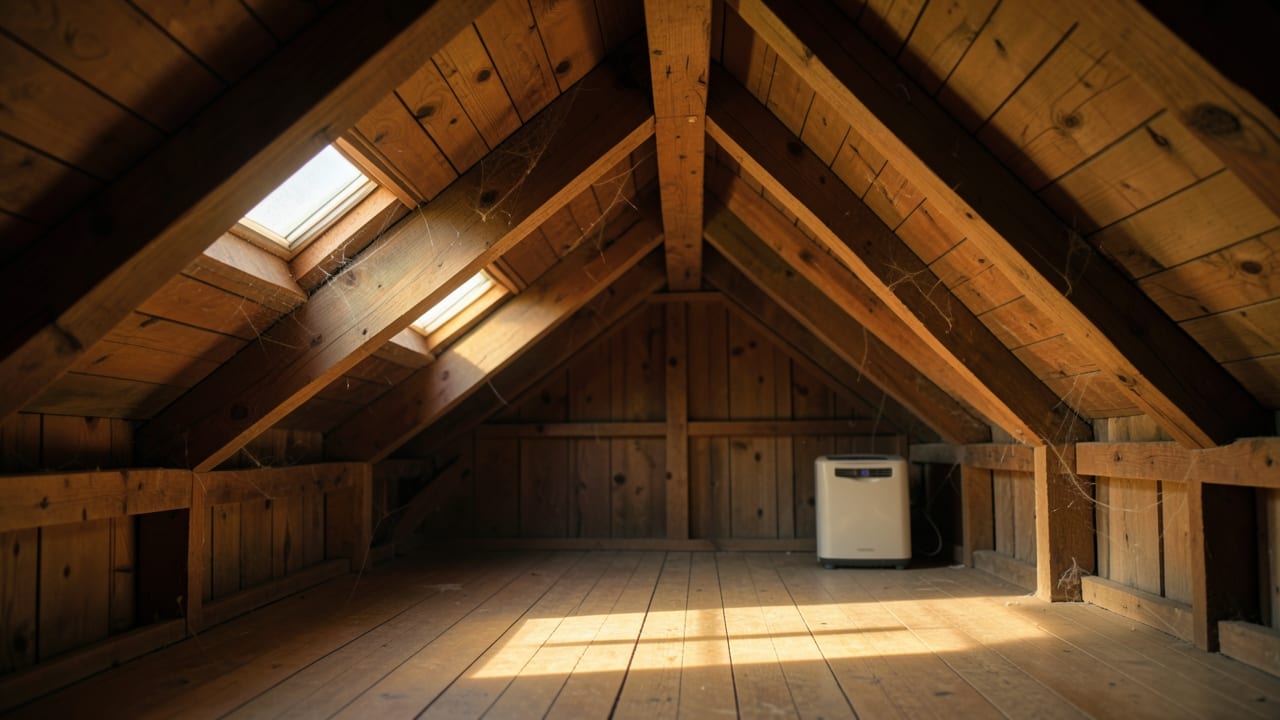
Salt Air Mold Remediation in Peachtree Corners, GA
Professional mold assessment, containment, removal, and prevention in affected areas of the home.
Learn More
Storm Damage Mold Cleanup in Peachtree Corners, GA
Professional cleanup and remediation of mold caused by storm-related water damage in homes.
Learn More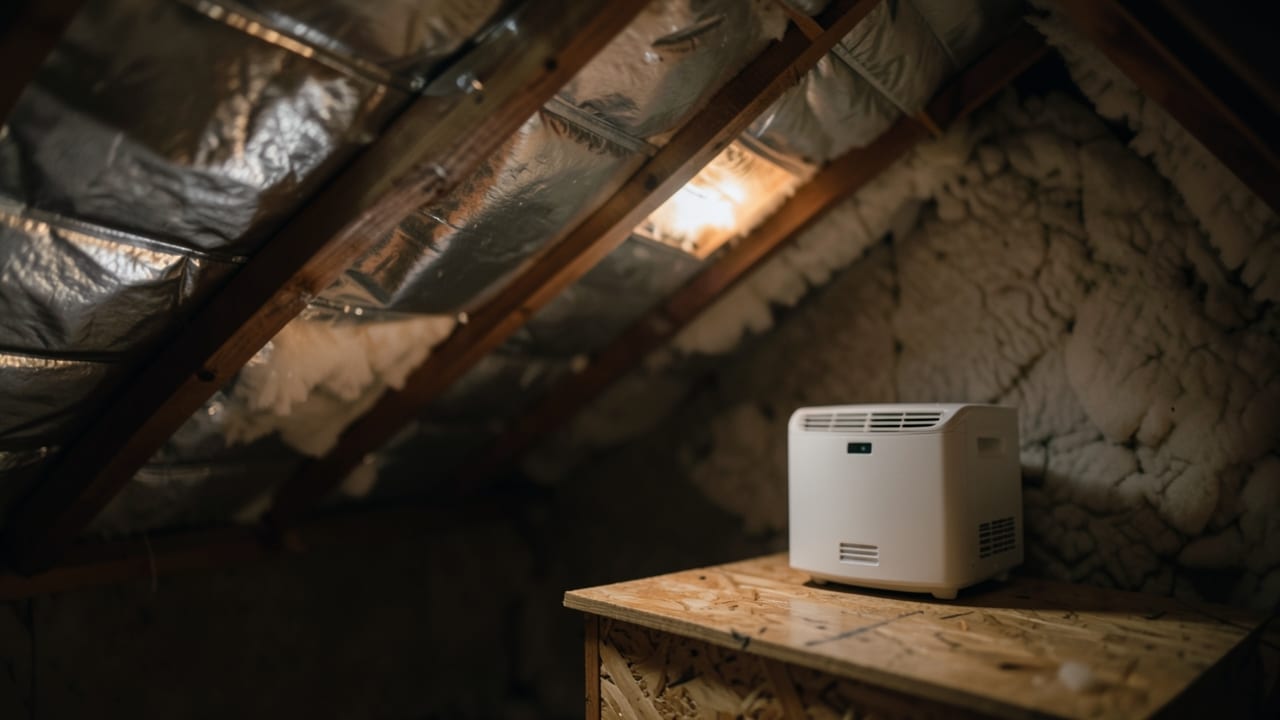
Pre-Winter Mold Prevention in Peachtree Corners, GA
Pre-winter mold prevention involves inspection and treatment to stop mold growth before cold weather.
Learn More
Move-In Mold Assessment in Peachtree Corners, GA
Professional inspection and assessment of mold presence before moving into a property.
Learn More
Post-Remediation Sealing in Peachtree Corners, GA
Applying protective sealants to surfaces after mold remediation to prevent future growth.
Learn MoreCommon Questions About Mold Remediation in Peachtree Corners
Everything you need to know about mold remediation services in Peachtree Corners
How much does Brick Masonry Mold Treatment typically cost in Peachtree Corners, GA?
Why does Peachtree Corners, GA's humidity make mold a bigger risk than in drier regions?
Does homeowners insurance typically cover mold remediation?
Is black mold actually more dangerous than other mold types?
How long does a typical mold remediation job take?
Is it safe to stay in the home during mold remediation?
Need Mold Remediation in Peachtree Corners?
Connect with local providers in Peachtree Corners for a detailed quote.
⏰ We answer your call • Serving all of Peachtree Corners and surrounding areas